Historical Political Shift in Baranagar
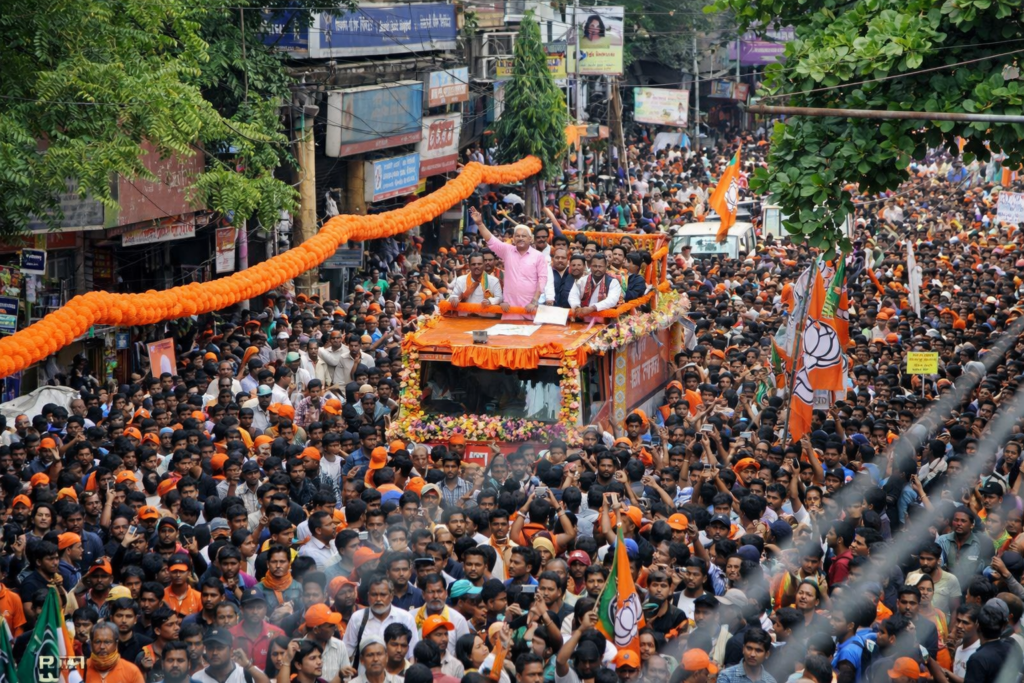
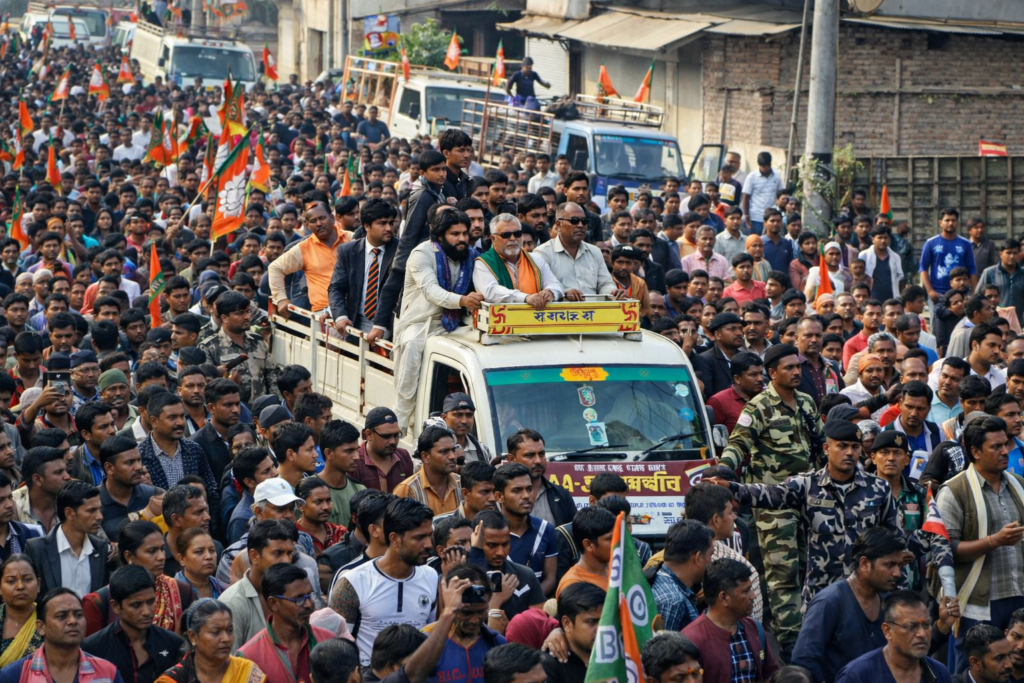
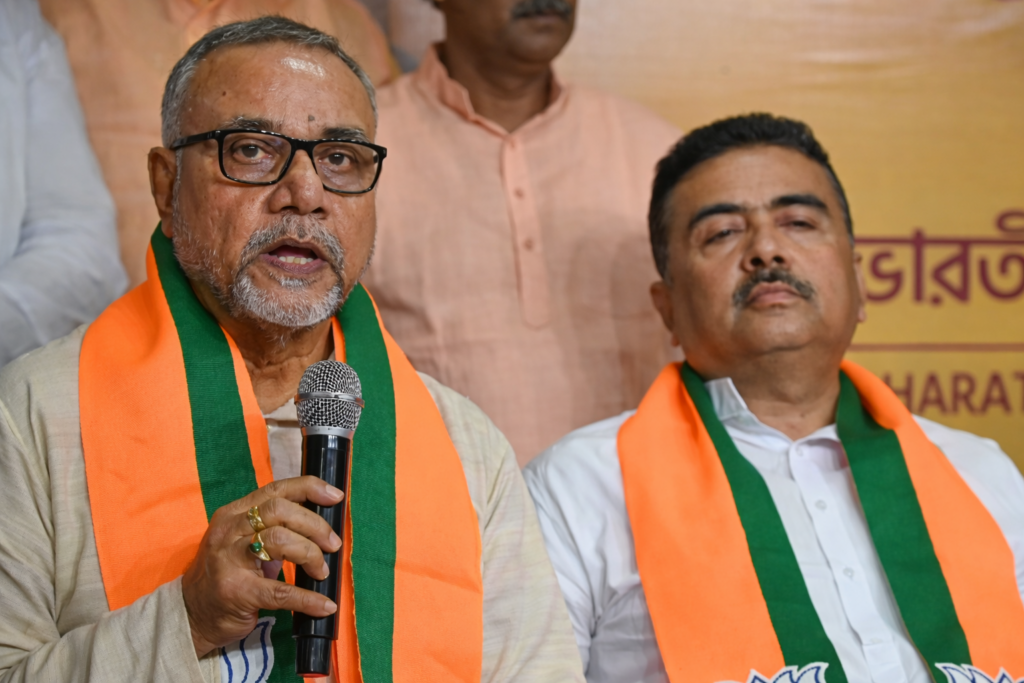
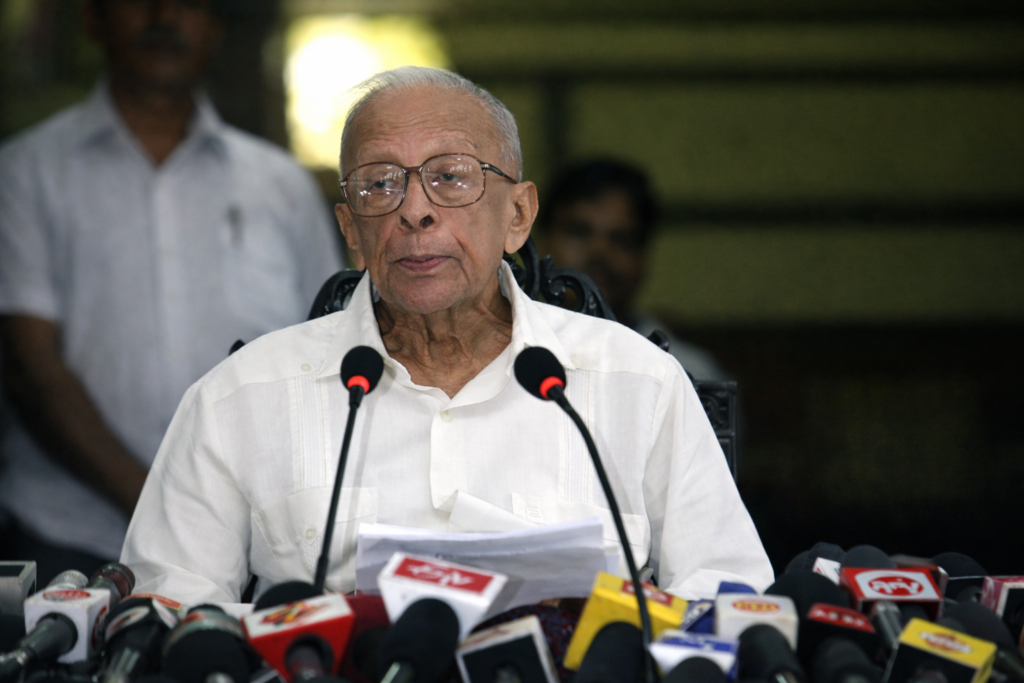
Baranagar holds a significant place in West Bengal’s political history, once regarded as a “legacy seat” of the Left movement. The constituency was represented for nearly two decades (1951–1971) by Jyoti Basu, one of India’s most influential communist leaders. Following his tenure, Baranagar remained under the control of the Left Front for several decades, reflecting the strong influence of leftist ideology in the region. This long-standing political dominance continued until 2011, when a major shift occurred with the rise of the All India Trinamool Congress (TMC), which ended the Left Front’s rule in West Bengal. Baranagar subsequently became a stronghold for the TMC, with consistent electoral victories over multiple terms. However, in recent years, the political landscape has evolved into a more competitive and closely contested arena, with the growing presence of opposition forces, particularly the BJP. What was once a stable and predictable constituency has now transformed into a dynamic political battleground, reflecting broader changes in West Bengal’s electoral politics.